Welcome to the Grand Welcome Sea Ranch Blog
Welcome to our new blog for Sea Ranch vacation rental owners and guests.

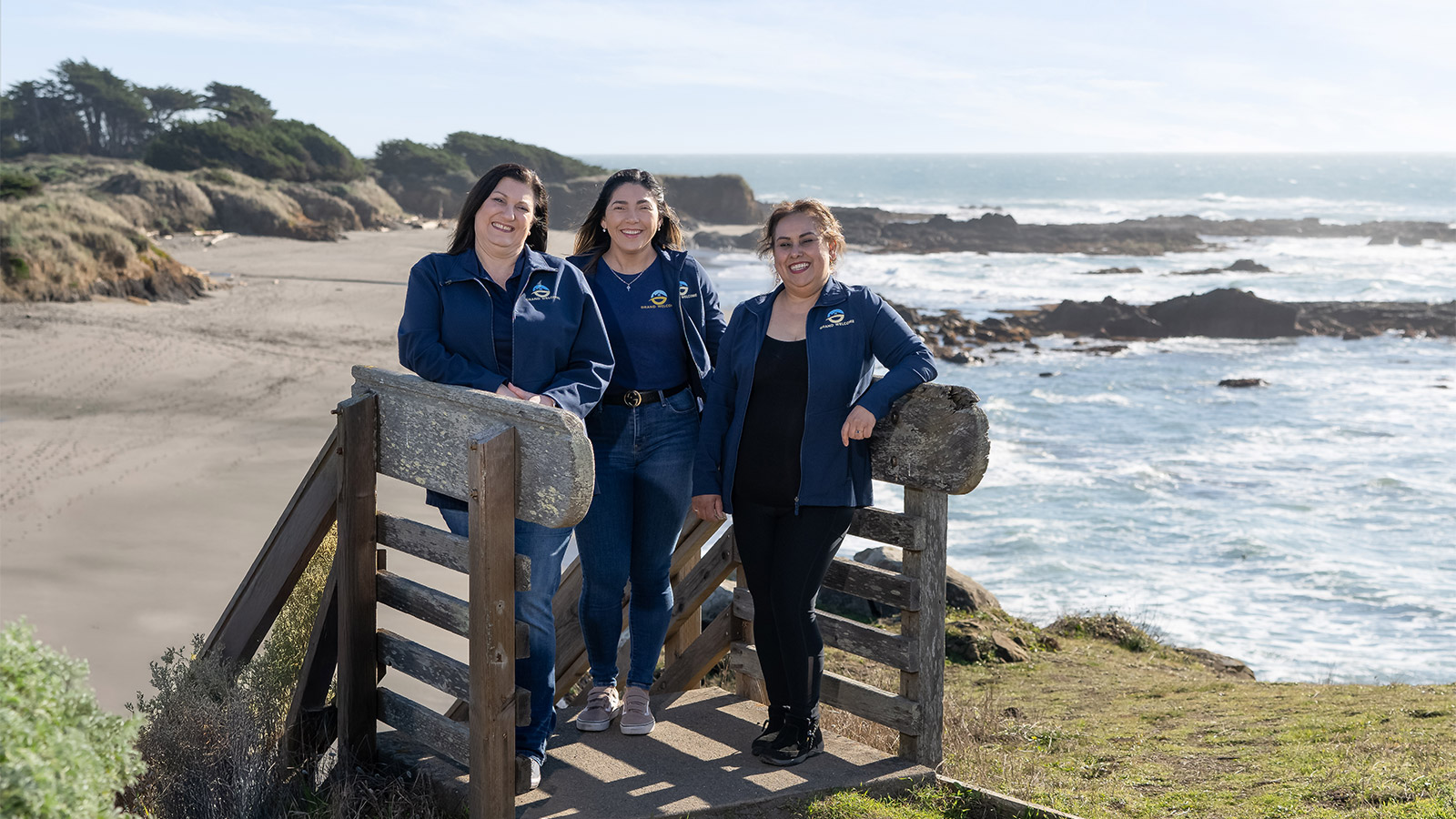
Owning a vacation rental at The Sea Ranch is different from owning a typical Sonoma County rental. The community sits in unincorporated coastal Sonoma County, where a property's zoning approval, county vacation-rental license, transient occupancy tax registration, septic capacity, and private association rules can all affect how it may operate.
This guide gives owners a practical starting point. It was reviewed on August 1, 2026, but rules, fees, and property-specific approvals can change. Confirm the property address with Permit Sonoma, the county tax office, and The Sea Ranch Association before buying, advertising, or changing how a home is rented.
Start with the parcel, not the postal address
“Sea Ranch,” “Gualala,” and “Sonoma County” are not interchangeable regulatory labels. The Sea Ranch is in unincorporated Sonoma County and within the coastal zone. Gualala is across the county line in Mendocino County. Incorporated cities elsewhere in Sonoma County use different rules.
For a Sea Ranch home, verify:
- Whether transient rental use is allowed under the parcel's coastal zoning and prior approvals.
- The occupancy and parking limits in the property's permit and septic records.
- Whether a current Sonoma County vacation-rental license and transient occupancy tax certificate are active.
- Whether The Sea Ranch Association has additional registration, parking, design, or operating requirements.
An official Sea Ranch approval illustrates why the sequence matters: it required a coastal zoning permit, county vacation-rental license, and tax certificate before operation. That approval was specific to one parcel; its guest and parking limits should not be copied to another home. Owners can begin with Permit Sonoma's application portal and the county's Vacation Rental License ordinance.
The county compliance stack
Sonoma County's rules for vacation rentals in unincorporated areas generally address four layers:
- Land-use approval: the zoning permit establishes whether the use is allowed and may impose property-specific limits.
- Operating license: the county vacation-rental license is renewed annually and is separate from land-use approval.
- Tax registration: operators must register and report transient occupancy tax. The county's published rate for unincorporated lodging is 12% of rent; a separate business-improvement assessment applies only to qualifying higher-revenue lodging businesses. Verify the current treatment of every guest charge with the Sonoma County tax collector's registration instructions.
- Private rules: The Sea Ranch Association documents may be more restrictive than county approval.
The county's operating rules also require a certified property manager or responsible contact while guests are present. The published response standard is within one hour from 7 a.m. to 9 p.m. and within 30 minutes overnight. Quiet hours are 9 p.m. to 7 a.m., and outdoor amplified sound is prohibited. Rental agreements and advertisements must carry specified license, occupancy, vehicle, quiet-hour, and tax information.
The county code generally uses an occupancy framework of two guests per bedroom plus two, up to 12, and a parking schedule based on bedroom count. A property's permit, septic system, or association rules can impose a lower limit. Treat the parcel record—not a generic online calculator—as controlling.
Coastal property care is part of compliance
Sea Ranch homes face wind-driven rain, salt air, marine moisture, wildfire smoke, winter outages, and long service distances. A reliable operating plan should include:
- roof, flashing, siding, deck, window, and sealant inspections before the wet season;
- corrosion checks on exterior hardware, railings, vents, locks, and outdoor equipment;
- drainage and vegetation work that respects association and coastal requirements;
- septic-aware occupancy, cleaning, and guest instructions;
- tested smoke and carbon-monoxide alarms, extinguishers, evacuation information, and backup lighting;
- a local vendor network for plumbing, electrical, HVAC, appliance, tree, and storm response;
- arrival inspections after major wind, rain, fire-weather, or utility events.
These routines protect the home and help prevent guest issues from becoming neighborhood or regulatory complaints.
Self-management or local professional management?
Self-management can work when an owner lives nearby, understands the property's approvals, and can meet response times every day of the year. Distance changes the calculation. A late-night leak, access failure, fallen limb, septic concern, or outage cannot wait for an owner several hours away.
When comparing managers, ask for written answers to these questions:
- Who is the county-designated contact, and how is response time documented?
- Who tracks permit, license, tax, and association renewal dates?
- How are parking, quiet hours, trash, evacuation, and septic guidance communicated to guests?
- Which local vendors cover after-hours emergencies?
- How often are exterior and interior condition inspections performed?
- How are direct-booking taxes and platform-collected taxes reconciled?
- What is included in the management fee, and which maintenance or turnover costs are separate?
Our Sea Ranch vacation rental management services are designed around local oversight, guest communication, property care, and owner reporting. If you want a property-specific review, contact the Grand Welcome Sea Ranch team or request a rental evaluation.
Sea Ranch owner checklist
Before the next booking season:
- confirm the parcel's approved vacation-rental use, occupancy, and parking;
- verify the county license and tax certificate are current and displayed correctly;
- review current association requirements;
- audit every listing for required disclosures and consistent guest limits;
- test safety equipment and refresh evacuation instructions;
- inspect exterior weatherproofing, drainage, and corrosion-prone components;
- confirm the local contact and backup vendors can meet county response standards;
- document the condition of the home before and after high-risk weather periods.
The best Sea Ranch rental programs combine accurate compliance with stewardship of the home and community. That is what protects both guest experience and long-term property value.
This article provides general information, not legal or tax advice. Regulations, fees, and parcel approvals change; verify current requirements with the relevant agencies and association.
Ready for full-service management?
Talk to Grand Welcome Sea Ranch